How's your marketing game holding up these days? Just like those fresh new year’s resolutions, kicking off the year is the perfect moment to take a good look at your marketing game and see if it’s really hitting the mark for your brand. A killer marketing strategy keeps your organization ahead of the game in today’s landscape by nailing down these four essentials.
- Organizational Goals, to provide a clear direction for all marketing initiatives.
- Audience Personas, to identify any gaps between your current audience and your target audience.
- Resource Allocation, to map out how web, digital, SEO, branding, networking, and other marketing tools can help meet your goals.
- Reporting Metrics, to drive accountability and facilitate smarter decision-making.
Grab your current strategy and keep reading to guide your organization to success in 2026.
SMART Goals Provide a Clear Direction
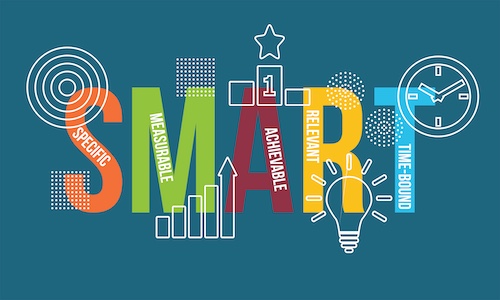
Where do you want your organization to flourish in the coming year? By setting SMART goals—those that are Specific, Measurable, Attainable, Relevant, and Time-Bound—you provide clear direction and insight for your organization. Think of it like planning a road trip, where SMART goals help identify the stops along the way.
Establishing SMART goals encourages your team to think beyond day-to-day tasks. Your efforts in the long-term become more proactive, which drives sustained growth and continuous improvement by tracking your progress, making data-driven decisions, and adjusting short-term strategies as needed. This prepares your organization for future challenges and by keeping you agile.
Looking ahead to 2026, organizations are expected to invest in areas that build authentic connections.
- Brand Storytelling. Consumers are 22 times more likely to remember a story than they are a fact. When you incorporate your organization’s story into your messaging, your audience is more likely to remember it.
- Community-led Storytelling. Let your audience share how your organization helped them. Share their content on social media and feature their testimonials in your website and newsletters.
- Personalization. A recent study showed that 76% of consumers are frustrated when brands don’t provide a personalized experience. You can set up personalization through first-party data or a CRM.
By strategically aligning your resources toward these initiatives, your organization can create more meaningful interactions and achieve sustainable success.
Plan Around Your Audience
Understanding your audience is a fundamental step in developing a winning marketing strategy. In other words, who are you talking to and how are you reaching them? Customer personas is a great method to tailoring your messaging for different groups of people. You can find out what works and what could use some work by taking note of where and how your target audience engages with your organization.
The first step is to take stock of the people who already interact with your organization. Take into account things like age, geography, interests, and preferred communication channels when collecting data on their demographics, behaviors, and pain issues.
Next, evaluate your present audience in relation to your desired one. Is there a difference between them? If so, note what steps you can take to attract your desired audience—this could involving adjusting your messaging, adding new services, or increasing outreach efforts.
Strategize Available Resources
What role do the present marketing efforts play in supporting your organization’s strategy? Determining the most beneficial resources will help your team work more efficiently. Make a list of all the marketing initiatives you have at your disposal and explain how they will help reach your objectives. Some examples of such resources are:
- Branding — logo, icons, colors, fonts, tagline, and messaging
- Website and digital presence — social media, business profiles (all the places you appear online)
- Customer Relationship Management (CRM) software
- Digital marketing — paid ads, social media, newsletters
- Search Engine Optimization (SEO) and Search Engine Marketing (SEM)
- Marketing toolkit — business cards, letterhead, presentation templates, print templates, etc.
- Print collateral — flyers, brochures, direct mail, posters, etc.
- Networking opportunities — Conferences, attendance at local events, etc.
Aligning your resources with your marketing goals fosters loyalty and increases meaningful interactions with your audience.
Reporting Gives a Competitive Edge
To ensure your organization stays competitive, your marketing strategy should include reporting metrics that tie into your marketing goals. Establishing Key Performance Indicators (KPIs) help your organization define success. By keeping on eye on these KPIs, you can learn how well your approach is doing and spot what needs adjustment. Some examples of possible KPIs are:
- Website traffic growth
- Conversion rates
- Lead generation
- Social media engagement
- Return on marketing investment (ROMI)
Continuous improvement also needs to be a major part of your reporting. Digital marketing offers reporting to measure real time engagement. Plan to change your strategies in response to evolving algorithms and digital environments. A decline in performance should prompt you to reevaluate your approach. Your organization can adapt to changes, maximize results, and keep a competitive advantage if it stays data-driven and flexible. A/B testing can also be helpful to measure the success of your campaigns.
Tie it all Together
With your newfound ability to craft an effective marketing strategy, it's time to lead your organization toward success in the upcoming year. If you need help at any step of the way, Greenleaf Media is here for you. Email us at This email address is being protected from spambots. You need JavaScript enabled to view it. or send us a message through our contact us form.